Before Switching a Spray Rig from Epoxy to Polyurea
Plan an epoxy-to-polyurea spray-rig changeover with material history, equipment-specific instructions, supplier compatibility review and a documented release decision.
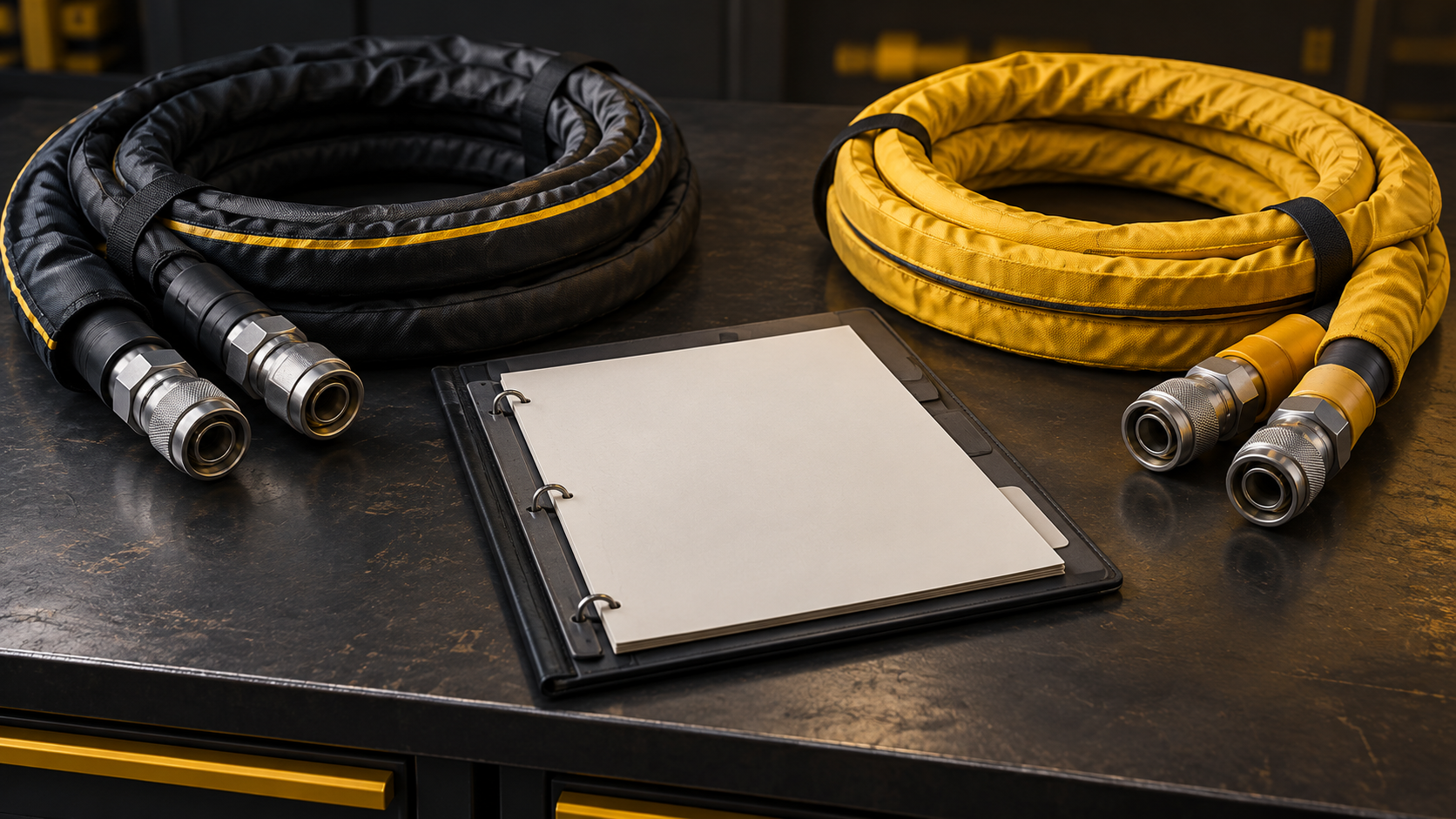
A spray rig’s next job may use a different coating, but changing materials is more than changing the name on the job sheet. Before an epoxy-to-polyurea transition, establish exactly what has been through the system and what the equipment and material suppliers require. Treat the changeover as a planned service activity with a clear release decision, rather than a gap between two bookings.
This is researched planning guidance for professional teams. It is not a flushing recipe, a repair procedure or a claim that every proportioner can handle both materials. The instructions for the actual equipment and products govern the work.
Start with the rig’s material history
Build the inquiry around identifiers, not shorthand. Record the proportioner model, serial number, gun, hose assembly and any relevant changes to the fluid path. Then list the exact products previously used, which side each component occupied, and the proposed replacement products. Include the last known cleaning or storage procedure and identify anything that is uncertain.
A useful question for the supplier is: “This equipment has contained these named materials; what must be done before it can be used with this proposed system?” That is easier to answer than asking whether a machine can “switch to polyurea.” If the history is incomplete, say so. A blank in the record is a question to resolve, not permission to assume the circuit is clean.
Read the material-change section, not only shutdown
Routine shutdown instructions and a change between chemical systems may address different situations. For example, page 8 of the Graco Reactor E-10hp instructions calls for checking chemical compatibility with the material manufacturer. For changes between epoxies and urethanes or polyureas, that manual specifies disassembly and cleaning of fluid components and changing hoses. It also warns against interchanging A-side and B-side wetted parts.
Those are instructions for that equipment, not a universal conversion procedure. Use the example to frame the right discussion with your own equipment supplier. Ask which current manual applies to the installed configuration and whether separate guidance covers the gun, transfer equipment or accessories. Do not substitute an instruction from a similar-looking machine.
Keep the questions about chemistry and equipment connected
The material supplier and equipment supplier may need different information. Send each the same product and equipment list, so their answers refer to the same proposed change. Ask them to identify any limitations, required replacement components and conditions that must be met before startup. Keep the responses together rather than scattering them across separate job folders.
Have current safety data sheets available for the outgoing material, incoming material and any proposed cleaning product. OSHA’s safety data sheet guide explains that Section 7 addresses handling and storage, Section 8 exposure controls and personal protection, and Section 10 stability and reactivity. These documents inform the review; they do not replace equipment-specific service instructions or written compatibility confirmation.
Allow time for the answer to change the schedule
Make the commercial plan after the technical requirements are understood. A practical planning sheet can separate four items: supplier review, required parts, qualified service time and the checks needed before the next production job. Put an owner beside each unresolved item. Record the answer and the date it was received.
Consider a hypothetical rig booked for one coating on Monday and another on Tuesday. If the required hose or service appointment is not available, the schedule has an open dependency. Calling the changeover “one day” does not remove it. Keep the customer-facing start date provisional until the people responsible for the work have confirmed that the necessary steps can be completed.
Define who releases the rig for use
Before work starts, agree who will review completion records and what evidence they need. The record should distinguish work requested, work completed, checks performed and questions still open. “Flushing arranged” and “service completed” are different statuses. Neither should be copied into a release field without the responsible person’s review.
Keep the final changeover record with the equipment history. Include the product identities, supplier instructions, parts changed, service date, responsible personnel and recorded release decision. Link it to the next job’s preparation documents so a different crew can understand what changed without reconstructing a phone conversation.
The aim is a traceable decision about a specific rig and material pair. When the instructions or history are unclear, resolve that uncertainty with the appropriate supplier before using the equipment. A well-organized question is more useful than a confident guess.
Researched editorial guidance, not episode notes or a substitute for training and manufacturer instructions. Cover: original AI-generated conceptual illustration.
Spotted an error? We post corrections on the page itself, dated. Tell us what is wrong.
Disagree, or have a story like this? That is an episode. Pitch yourself as a guest.